
In this guide, you'll learn when to start using scar gel, the proper application technique, and simple recovery tips that can help support the healing process.
When Should You Start Using Scar Gel?
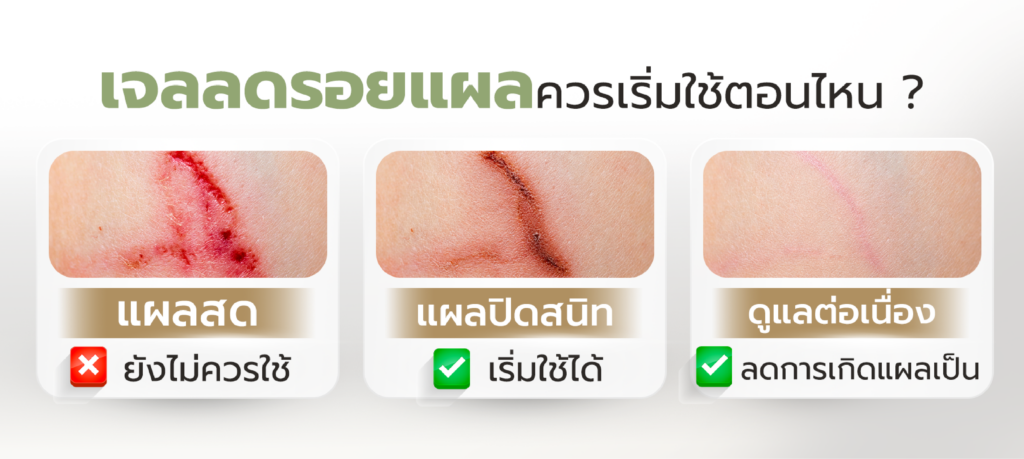
The best time to begin using scar gel is after the wound has completely closed and there is no bleeding or fluid drainage.
Signs that your wound is ready include:
- The incision is fully closed and dry.
- There is no bleeding or discharge.
- There are no signs of unusual inflammation or infection.
- You may notice mild tightness or slight itching around the healing area.
Starting scar care soon after the wound has fully healed can help support smoother-looking skin and reduce the appearance of visible scars over time.
How to Apply Scar Gel for the Best Results
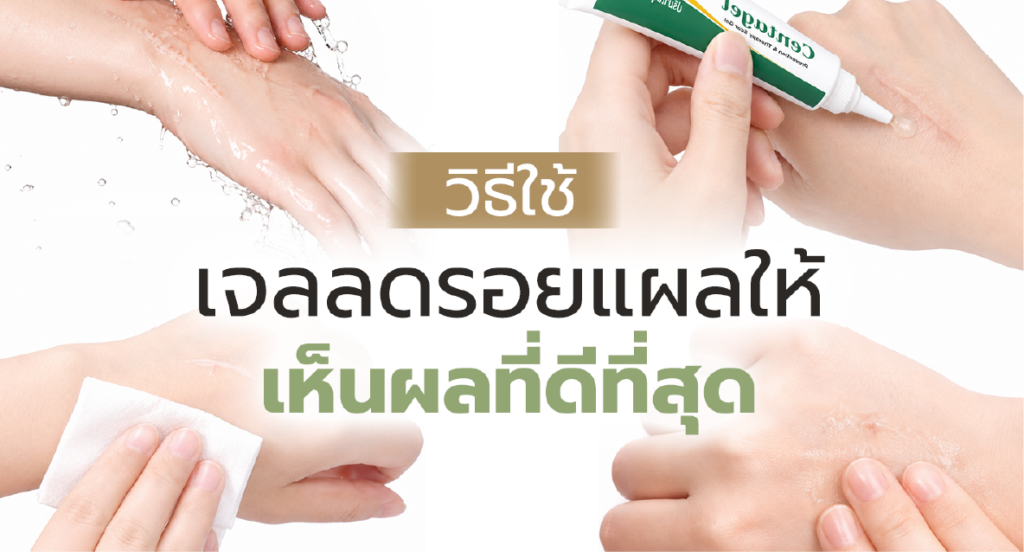
Applying more scar gel doesn't necessarily produce better results. The key is using the correct amount consistently as part of your daily skincare routine.
1. Clean the Skin Before Each Application
Wash your hands thoroughly and gently clean the scar area before applying the gel. This helps remove dirt and excess oil while reducing the risk of skin irritation.
2. Apply a Thin, Even Layer
Squeeze out a small amount of scar gel and spread it evenly across the scar. There's no need to apply a thick layer, as excessive products may take longer to absorb and can leave the skin feeling sticky.
3. Apply Three Times a Day
For the best results, use scar gel consistently:
-
- Morning
- Afternoon
- Before bedtime
Regular application helps provide continuous care throughout the healing process.
4. Continue Using It Consistently
Scar remodeling takes time. Visible improvements usually require consistent use over several weeks or months.
Patience and regular application are essential for supporting smoother, healthier-looking skin.
Why Do Results Vary from Person to Person?
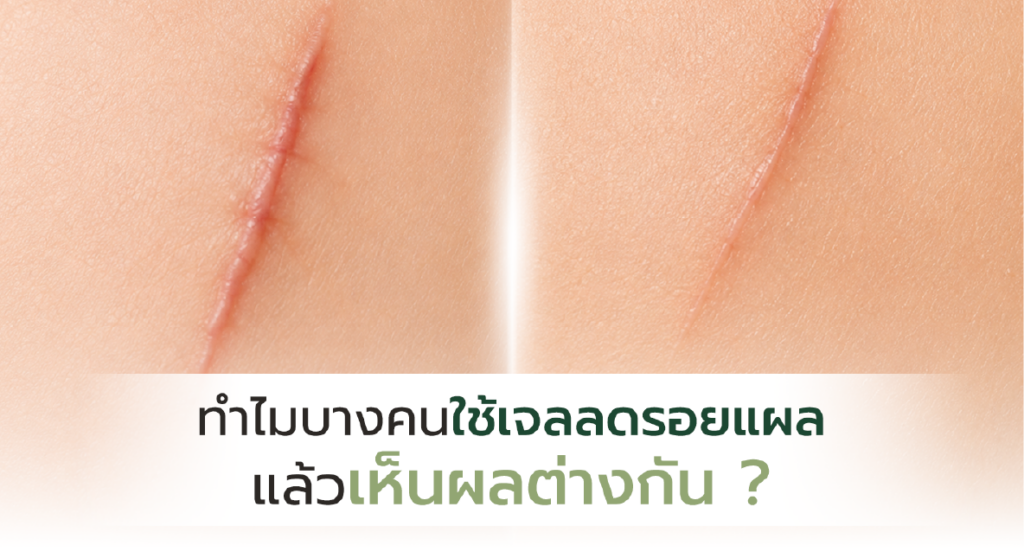
Even when using the same scar gel, results can differ depending on several factors.
Common reasons include:
- Starting treatment too long after the wound has healed
- Inconsistent application
- Applying too much or too little product
- Don't get enough restful sleep
- An unbalanced diet that lacks nutrients important for skin repair
For the best outcome, scar care should combine topical treatment with good overall health and nutrition.
Tips to Support Faster Wound Recovery
Scar gel is only one part of a successful recovery. Healthy daily habits also play an important role in supporting the body's natural healing process.
Eat a Nutrient-Rich Diet
Choose foods rich in protein, vitamin C, and other nutrients that support normal skin repair and collagen formation.
Drink plenty of water to stay hydrated.
Drinking enough water helps maintain healthy skin hydration and supports normal body functions during recovery.
Avoid Picking or Scratching the Scar
Touching or scratching the healing area may increase irritation and affect the appearance of the scar.
Get enough sleep and rest.
Quality sleep allows your body to repair tissues naturally and supports healthy recovery.
Conclusion
Getting the best results from scar gel depends on more than the product itself. Proper application and consistency are equally important.
Start using scar gel once your wound has completely closed, apply a thin layer three times daily, and continue using it as directed. Combined with healthy nutrition, adequate hydration, and sufficient rest, consistent scar care can help support smoother-looking skin and a successful recovery.