

In today's fast-paced world, many people find themselves working overtime, scrolling through their phones before bed, or dealing with ongoing stress—all of which can unknowingly reduce their sleep time.
Although many people consider sleeping less as a normal part of modern life, the truth is that insufficient sleep can have a greater impact on your health than you may realize, both in the short term and long term.
Sleep is not simply a time when your body rests. It is a crucial period when your body performs essential functions, including recovery, repair, and maintaining balance across different systems.
If you often stay up late, do not get enough sleep, or experience poor sleep quality, this article will introduce 5 important health risks associated with insufficient sleep that should not be ignored.
Why Is Sleep Important?
During sleep, your body enters a natural recovery process that supports several important functions, including:
- Repairing damaged cells
- Regulating hormones
- Restoring brain and nervous system function
- Strengthening the immune system
When you do not get enough quality sleep, these processes may not work effectively, which can affect your overall health and daily performance.
Increased Risk of Sleep Apnea
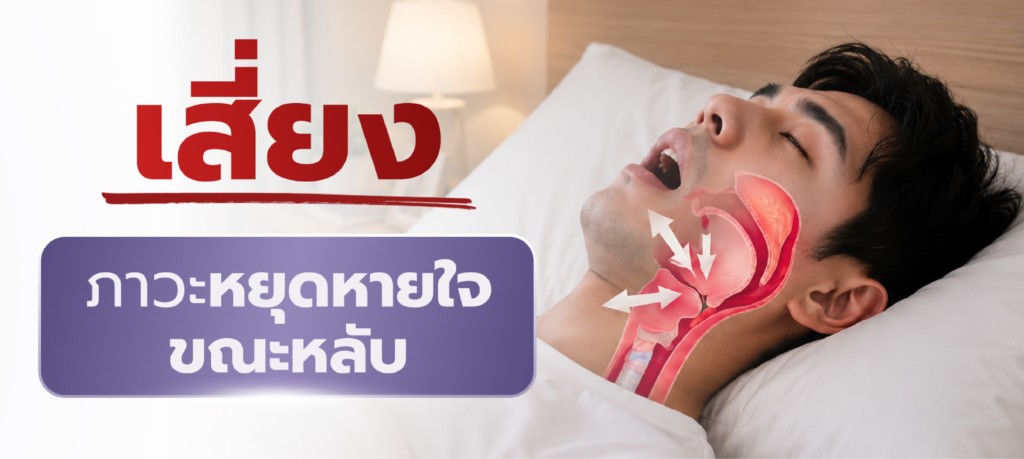
Sleep apnea is a sleep disorder caused by partial or complete blockage of the airway during sleep, leading to repeated interruptions in breathing.
People who experience chronic sleep problems or insufficient rest may have poorer sleep quality, which can affect the body's ability to receive adequate oxygen during sleep.
Common signs include:
- Loud snoring
- Excessive daytime sleepiness
- Morning headaches after waking up
- Chronic fatigue
Increased Risk of Chronic High Blood Pressure
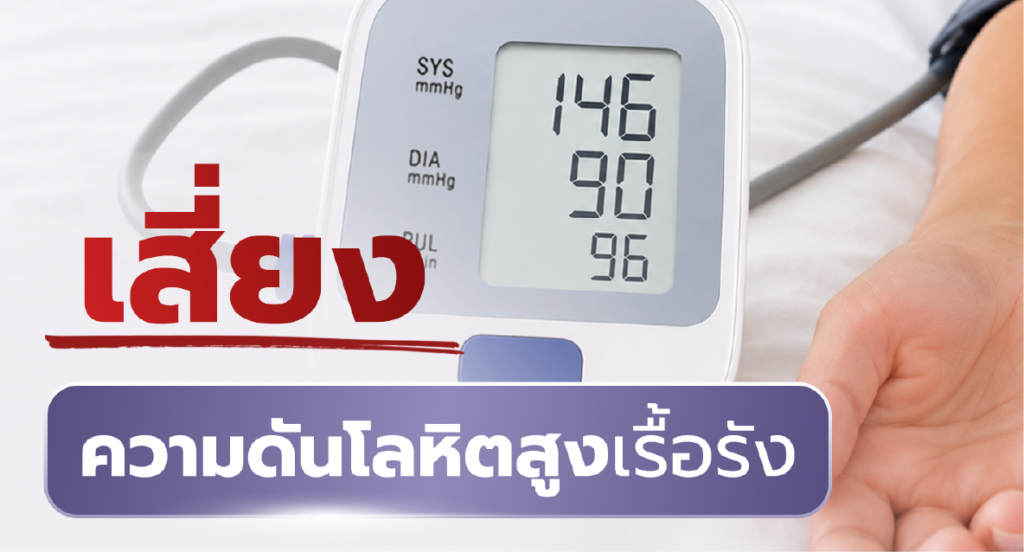
Research has shown that sleep plays an important role in regulating blood pressure.
When the body does not receive enough rest over a long period, the autonomic nervous system may become overactive, causing blood pressure levels to remain elevated.
Over time, this may increase the risk of cardiovascular diseases.
Increased Risk of Heart Disease and Cardiovascular Problems

Sleep is closely linked to heart health. Regularly getting insufficient sleep may affect:
- Heart rate
- Blood pressure regulation
- Inflammation levels in the body
- Blood vessel function
These factors are all associated with an increased risk of long-term cardiovascular disease.
Increased Risk of Stroke

Insufficient sleep can affect blood circulation and blood vessel health. When the body experiences ongoing sleep deprivation, it may increase the risk of blood vessel abnormalities, which are among the contributing factors associated with stroke.
This risk may be higher among individuals with additional risk factors such as:
- High blood pressure
- Diabetes
- Obesity
- Smoking habits
Increased Risk of Diabetes
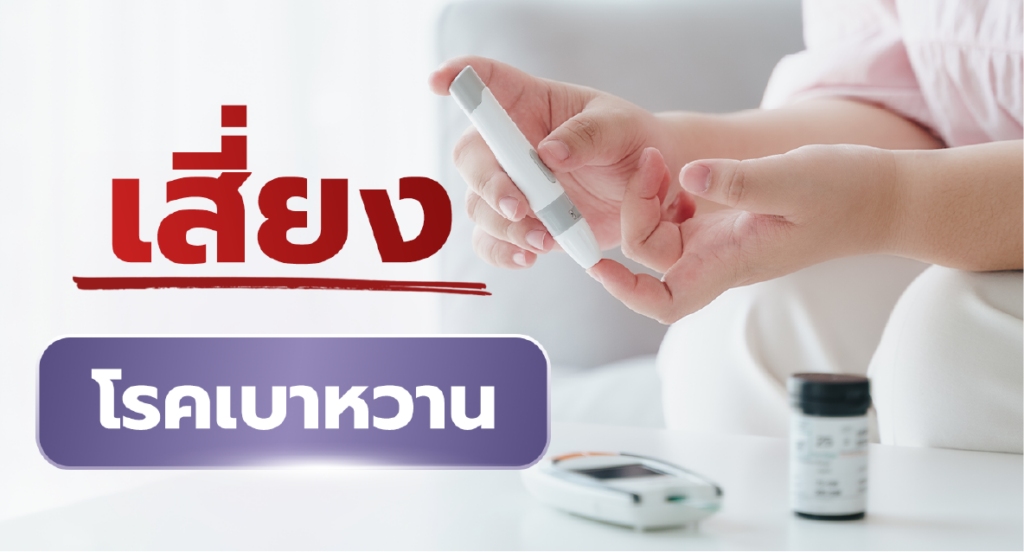
Many people may not realize that sleep has a direct impact on blood sugar regulation.
When you do not get enough sleep, your body's response to insulin may decrease, making it more difficult to maintain healthy blood sugar levels.
Additionally, insufficient sleep is associated with:
- Increased appetite
- Excessive food intake
- Weight gain
These factors can contribute to a higher risk of developing type 2 diabetes.
Warning Signs That You May Not Be Getting Enough Sleep
If you frequently experience these symptoms, it may be a sign that your body needs more rest:
- Feeling sleepy during the day
- Difficulty concentrating
- Mood changes or irritability
- Frequent headaches
- Waking up feeling tired
- Difficulty falling asleep or staying asleep
How to Improve Your Sleep Quality
To help your body achieve more effective rest, consider these sleep habits:
- Maintain a Consistent Sleep Schedule
Going to bed and waking up at the same time every day helps regulate your body's internal biological clock.
- Reduce Screen Time Before Bed
Blue light from electronic devices may interfere with the body's natural sleep cycle.
- Avoid Caffeine in the Evening
Reducing caffeine intake later in the day may help you fall asleep more easily.
- Exercise Regularly
Regular physical activity can support better sleep quality.
- Create a Sleep-Friendly Environment
Your bedroom should be quiet, dark, comfortable, and well-ventilated to promote better rest.
Choosing Sleep Support When Needed
For individuals who experience difficulty falling asleep or feel that their sleep is not fully restorative, choosing a sleep support option such as Centa Night, alongside healthy sleep habits, may be another approach to supporting better sleep quality.
Conclusion
Getting too little sleep is not only about feeling tired or sleepy during the day. It can also affect many aspects of your health, including blood pressure, heart health, stroke risk, and blood sugar regulation.
Prioritizing sleep quality is one of the simplest ways to take care of your health—yet it is often overlooked.
If you are struggling with difficulty sleeping, poor sleep quality, or insufficient rest, starting to improve your sleep habits today may be one of the most valuable long-term investments you can make for your health.