
This guide shares three simple ways to support healthy wound healing, help minimize the appearance of scars, and promote smoother-looking skin after surgery.
Why Do Surgical Scars Form?
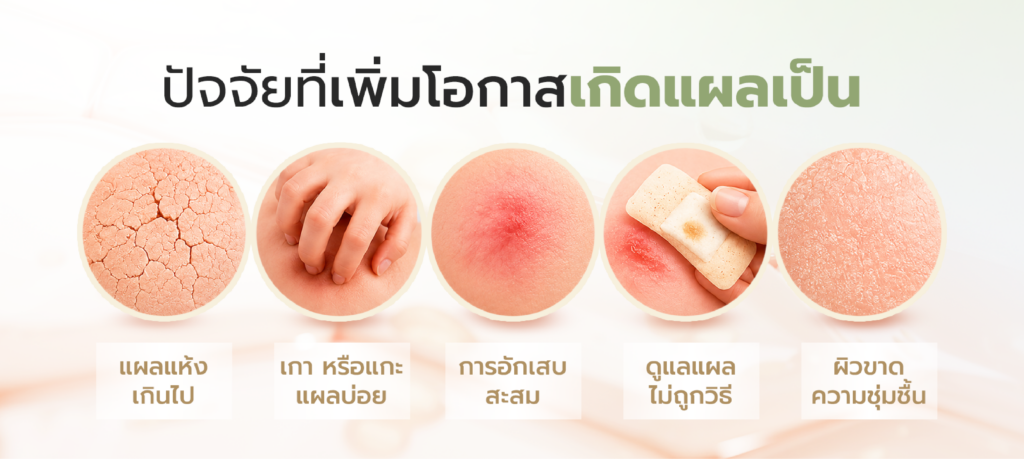
After surgery, your body immediately begins repairing damaged skin and tissue. This natural healing process occurs in several stages and continues for weeks or even months.
Certain factors may affect how a scar develops, including:
- Dry skin around the wound
- Picking or scratching the incision
- Ongoing irritation or inflammation
- Improper wound care
- Lack of moisture during healing
These factors may contribute to a scar becoming more noticeable or uneven in appearance.
The good news is that early and consistent wound care can help support healthy skin recovery.
Basic Wound Care Tips
- Clean the wound gently as instructed by your healthcare provider.
- Avoid harsh or irritating skincare products around the incision.
- Keep the healing skin properly moisturized using an appropriate scar care product.
Avoid Picking, Scratching, or Touching the Wound
As a wound heals, mild itching is completely normal. However, picking at scabs or scratching the area can interrupt the skin's natural healing process.
This is especially important during the stage when new skin is forming.
Things to Avoid
- Picking off scabs before they fall off naturally
- Scratching or rubbing the healing skin
- Friction from tight clothing, masks, or accessories that repeatedly contact the scar
Start Scar Care Early
Once the wound has completely closed, beginning a scar care routine early can help support the skin's natural healing process.
Scar gels are commonly used to help maintain hydration around the healing skin while improving the overall appearance of scars over time.
Choose a product that is:
- Lightweight and easy to apply
- Gentle on sensitive skin
- Designed to help maintain moisture around the scar
- Suitable for post-surgical or post-procedure scar care
Be Consistent with Your Recovery Routine
Although surgical scars are a normal part of healing, taking care of your skin from the beginning may help reduce the appearance of scars over time.
By keeping the wound clean, avoiding unnecessary irritation, and using an appropriate scar care product after the incision has healed, you can support smoother skin recovery and healthier-looking scars.
Conclusion
Scarring after surgery is a natural part of the healing process, but early care can influence how your skin heals.
The earlier you begin caring for your healing skin—and the more consistent you are—the better you can support smoother-looking scars and feel more confident throughout your recovery journey.