

Understanding the difference between a scar and a keloid from the beginning can help you choose the right wound care approach and reduce the risk of developing long-term visible scars.
In this article, we'll explain the key differences between scars and keloids, along with practical tips for proper wound care to support healthier skin healing.
What Is a Scar?
A scar is the natural mark left behind after the skin repairs itself following an injury. It is a normal part of the body's healing process, where new collagen is produced to replace damaged tissue.
Scars can develop from many types of skin injuries, including:
- Surgical incisions
- Cosmetic surgery
- Accidents or trauma
- Burns
- Acne
- Cuts, scrapes, and other minor wounds
In most cases, scars gradually become flatter, softer, and less noticeable over time. They typically remain within the boundaries of the original wound.
Characteristics of a Normal Scar
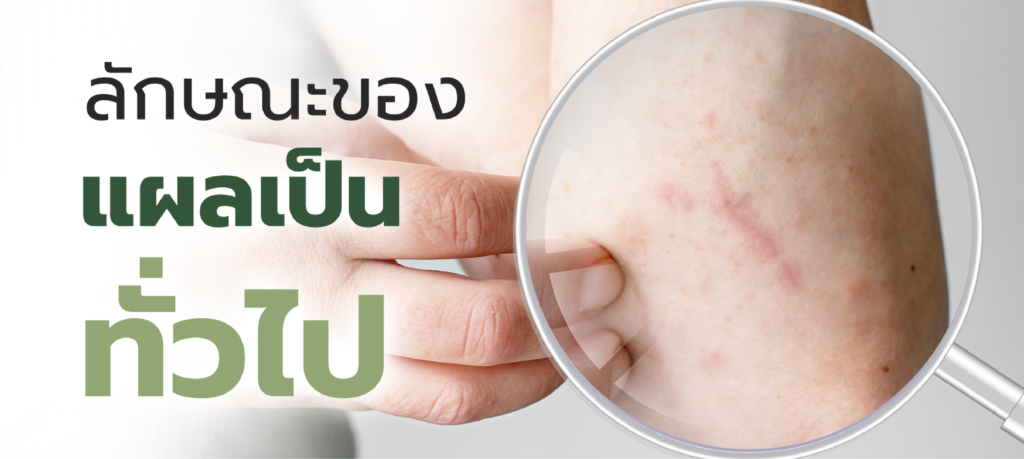
A typical scar often has the following features:
- Appears after the wound has healed
- May be lighter or darker than the surrounding skin
- Can be slightly raised during the early healing stage
- Gradually flattens and fades over time
- Does not grow beyond the original wound
With proper wound care from the early stages, scars often heal more smoothly and become less visible.
What Is a Keloid?
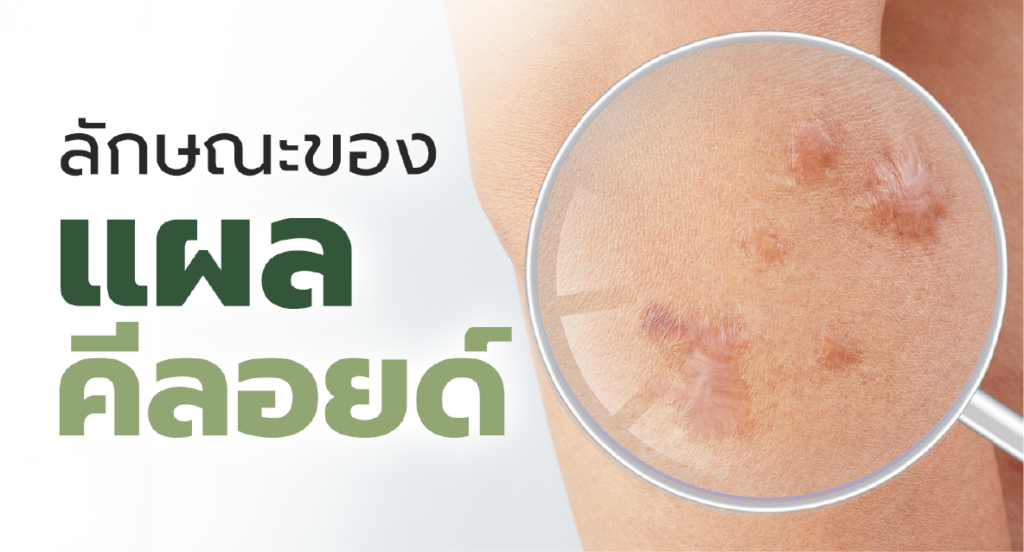
A keloid is an abnormal type of scar that develops when the body produces excessive amounts of collagen during the wound healing process. This causes thick, raised scar tissue that extends beyond the edges of the original wound.
Unlike a normal scar, a keloid is considered a disorder of wound healing. It is more likely to occur in individuals with a genetic predisposition or a personal history of developing keloids.
Characteristics of a Keloid
Common signs include:
- Raised significantly above the skin surface
- Thick, firm, and dense scar tissue
- Itching, tenderness, or pain
- Red, pink, or dark brown in color
- Extends beyond the original wound margins
- May continue to grow even after the wound has fully healed
Keloids are most commonly found on:
- Chest
- Shoulders
- Earlobes
- Jawline
- Back
- Upper arms
Scar vs. Keloid: What's the Difference?
Normal Scar
Develops naturally after wound healing May be slightly raised Stays within the original wound Gradually fades over time Usually not itchy or painful Generally easier to manage
Keloid
Caused by excessive collagen production Thick, firm, and noticeably raised Grows beyond the wound boundaries Often continues to enlarge May itch, feel tight, or become painful Often requires specialized treatment
Who Is at Higher Risk of Developing Keloids?

Although anyone can develop a scar, not everyone develops a keloid.
People at higher risk include:
- Those with a family history of keloids
- Individuals who have had keloids before
- People with darker or medium skin tones
- Those who frequently experience skin inflammation
- Individuals recovering from major surgery or cosmetic procedures
How to Reduce the Risk of Scars and Keloids
Early wound care plays a crucial role in achieving better healing outcomes. The sooner you begin caring for your wound, the lower the chance of developing prominent scars.
- Keep the wound clean
Proper hygiene helps reduce the risk of infection, one of the factors that can contribute to more noticeable scarring. - Avoid picking or scratching the wound
Repeated irritation may trigger inflammation and interfere with the skin's natural healing process. - Protect the scar from sunlight
Ultraviolet (UV) rays can cause scars to become darker and slow the fading process. Applying sunscreen and minimizing sun exposure can help reduce discoloration. - Maintain consistent scar care
Once the wound has fully closed, using an appropriate scar care product consistently may help improve the appearance of scars, support smoother skin, and reduce the likelihood of raised scar formation.
Why Is Early Scar Care Important?
Many people only begin treating a scar once it becomes clearly visible. In reality, the most important stage is immediately after the wound has completely closed.
During this period, the body is actively producing collagen and repairing damaged skin. Consistent scar care during this phase helps support the skin's natural healing process and may improve the long-term appearance of the scar.
Scar Gel: An Essential Part of Scar Care
Today, there are various scar care products available, with scar gels being among the most popular options. They are easy to apply, absorb quickly, and can be used on scars resulting from surgery, injuries, burns, acne, and other causes.
Choosing an appropriate scar care product and using it consistently as part of your daily routine can help support healthier skin recovery and improve the overall appearance of scars.
Conclusion
Although scars and keloids may look similar during the early stages of healing, they are fundamentally different—especially in terms of how they grow and how the scar tissue develops.
If you are recovering from surgery, cosmetic procedures, or a recent injury, starting proper wound care as soon as the wound has fully closed is one of the most effective ways to minimize the risk of long-term visible scarring.
By understanding the differences between scars and keloids, you can choose the most appropriate care approach and give your skin the best opportunity to heal smoothly and naturally.